Heavy Duty
High load capacity equipment, very resistant and of maximum durability for the manipulation of all type of products. Ideal for high reuse applications in logistic circuits with high requirements of rack and lifting load.

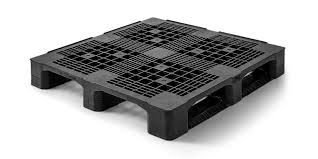
High load capacity equipment, very resistant and of maximum durability for the manipulation of all type of products. Ideal for high reuse applications in logistic circuits with high requirements of rack and lifting load.
High load capacity equipment, very resistant and of maximum durability for the manipulation of all type of products. Ideal for high reuse applications in logistic circuits with high requirements of rack and lifting load.
By using this product, you are contributing to the direct recycling of 558 plastic packages, preventing them from ending up in landfill or in the environment.
Furthermore, with each use of this product you are preventing the emission of tonnes of CO2 into the atmosphere during its transport throughtout its useful life.
Plastic pallets are rigid structures that provide mechanical stability to a bulk quantity of goods during handling to preserve their quality. Handling includes all activities related to lifting, moving from one point to another, stacking, product storage, and long-distance transportation by land or sea. To facilitate the mobility of goods, plastic pallets are designed to be moveable by equipment such as forklifts, pallet jacks, and front loaders.
Generally, pallets can be made from materials such as metal, plastics, wood, and paper. Plastic pallets have many advantages over other materials, such as being lightweight, hygienic, and cost-effective. There are several plastic pallet designs a company may choose from depending on their needs. Plastic pallets can be seen in warehouses, factories, stores, and shipping companies. Nevertheless, all types of pallets remain an important tool in the logistics and supply chain industry.
Plastic pallets have standardized sizes in compliance with the regulations imposed by governing organizations in a certain region. Standardized pallet sizes were made to eliminate wasted time and inconveniences in transferring goods to a particular region. Pallets constructed from other material types are also covered by such regulations.
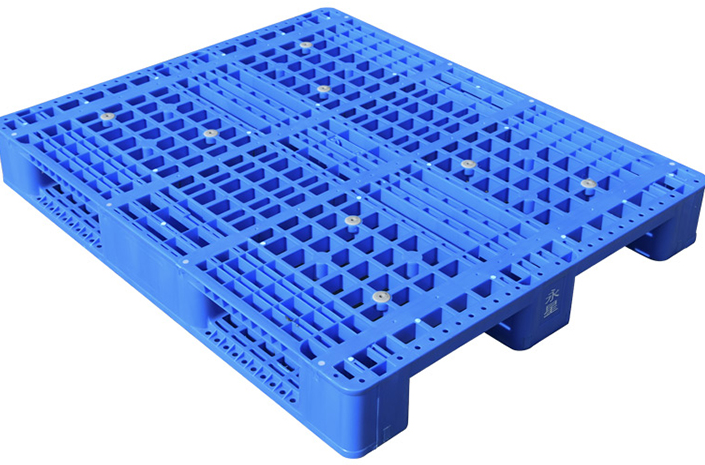
There are several advantages plastic pallets offer to the supply chain:
This is one of the most important features of plastic pallets in the handling of food, beverage, and pharmaceutical products. Because of its non-porous structure and moisture resistance, plastic pallets reduce the severity of microbial and pathogen growth that can degrade the quality of goods and cause harm to human health.
Plastic pallets are inhospitable to pests and other harmful organisms.
Plastic pallets are exempted from the International Standards for Phytosanitary Measures No. 15, or the "Regulation of wood packaging material in international trade (ISPM-15)." It is a set of measures created by the International Plant Protection Convention (IPPC) aimed to mitigate the introduction and spread of invasive species (e.g., bugs, beetles, and pathogens) through the shipment of insufficiently processed and contaminated wood.
Wooden pallets, as well as other packaging materials like crates and dunnage, are affected by ISPM-15 and are required to undergo the approved treatment process stated in the regulation. Treatment of wooden pallets is supervised by the National Plant Protection Organization (NPPO) of the importing and exporting countries. An IPPC marking (as shown below) is issued to the individual wooden pallets as an identification of their compliance.
Being exempt from this regulation, plastic pallets are not required to undergo such treatments and inspections when entering international ports.
The integrity of plastic pallets remains unaffected when they are exposed to spills, contamination, and moisture. They do not erode easily. Once dirty or contaminated, plastic pallets are easy to clean and sanitize; this prolongs their service life. Hence, plastic pallets are suitable for handling drums and containers containing acids, fuels, solvents, raw meat, dairy products, etc.
Compared to wooden and metal pallets, plastic pallets are easy to handle and move from one point to another because they weigh less. Weight is a major concern during shipping, especially for airfreight shipments. Plastic pallets incur fewer transportation costs in all modes of transportation. They also induce less wear to the shipping vehicles‘ engines in the long run.
Plastic pallets are usually constructed in one solid piece. They have seamless connections between their components because they are produced through the molding process. Their seamless connections eliminate the weak spots present in pallets with mechanical fasteners (e.g., screws, nails) to assemble the pallet. This makes the pallet durable, and it consequently has a long service life.
Plastic pallets last longer than wooden pallets. They can be reused multiple times in the supply chain. They can endure many shipping cycles or long service times in stores, factories, and warehouses before they wear out.
The raw, virgin plastic resins used to manufacture a plastic pallet are mixed with portions of recycled plastics. This is feasible with thermoplastics through another re-molding process. This lowers the production cost and reduces the carbon footprint of the plastic pallet. However, plastic pallets made from 100% virgin plastics have superior characteristics and performance.
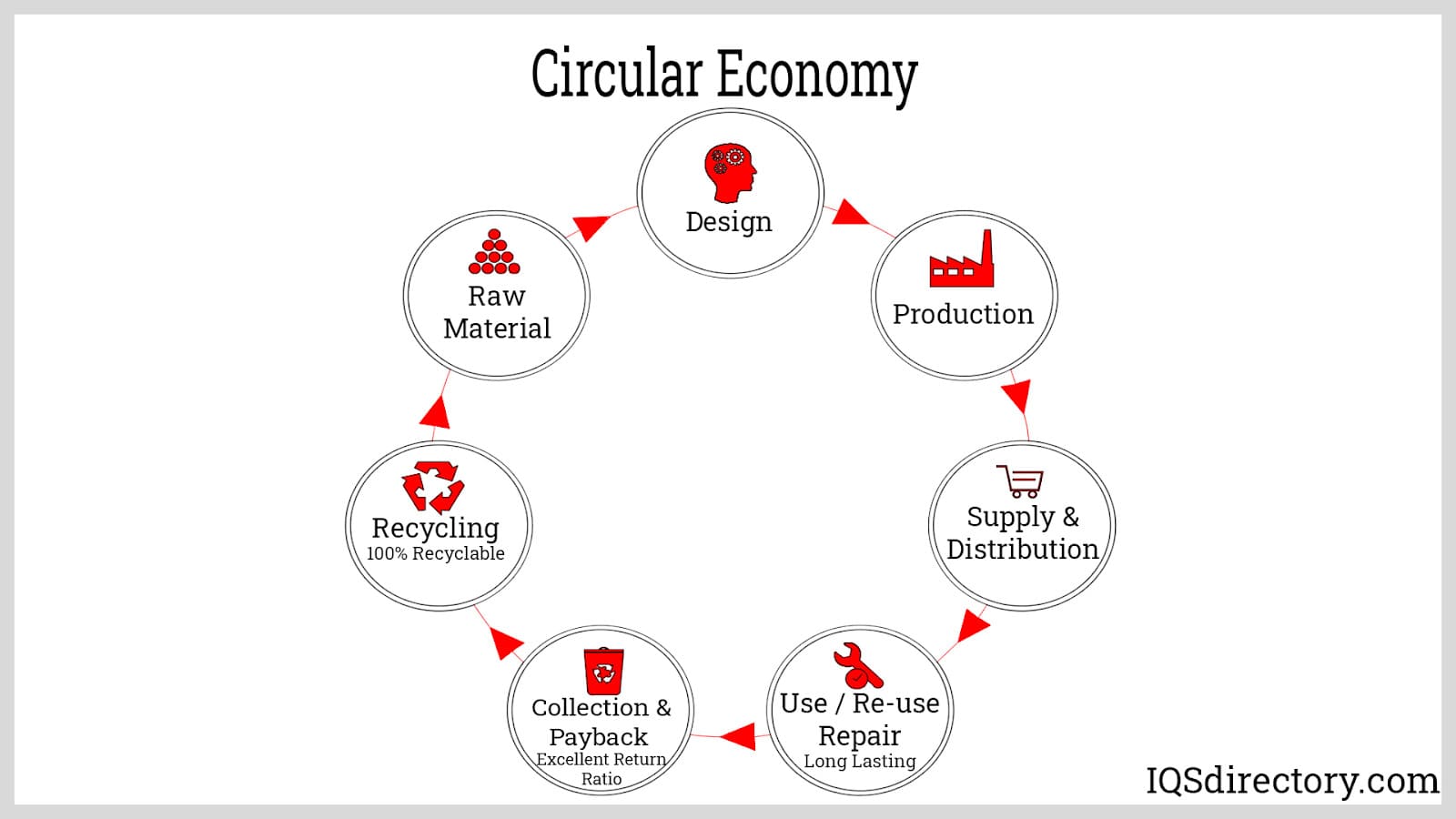
A major issue that all companies are confronting in the modern economy and their business practices is sustainability and protection of the environment. Plastic pallets are an ideal solution since they can be designed, manufactured, put to use, end their useful life, and be recycled to raw material, which is used to produce more pallets.
The use of plastic pallets and their ability to be reprocessed and repurposed makes them the ideal tool for shipping and storage as well as a solution to meeting the needs of sustainability.
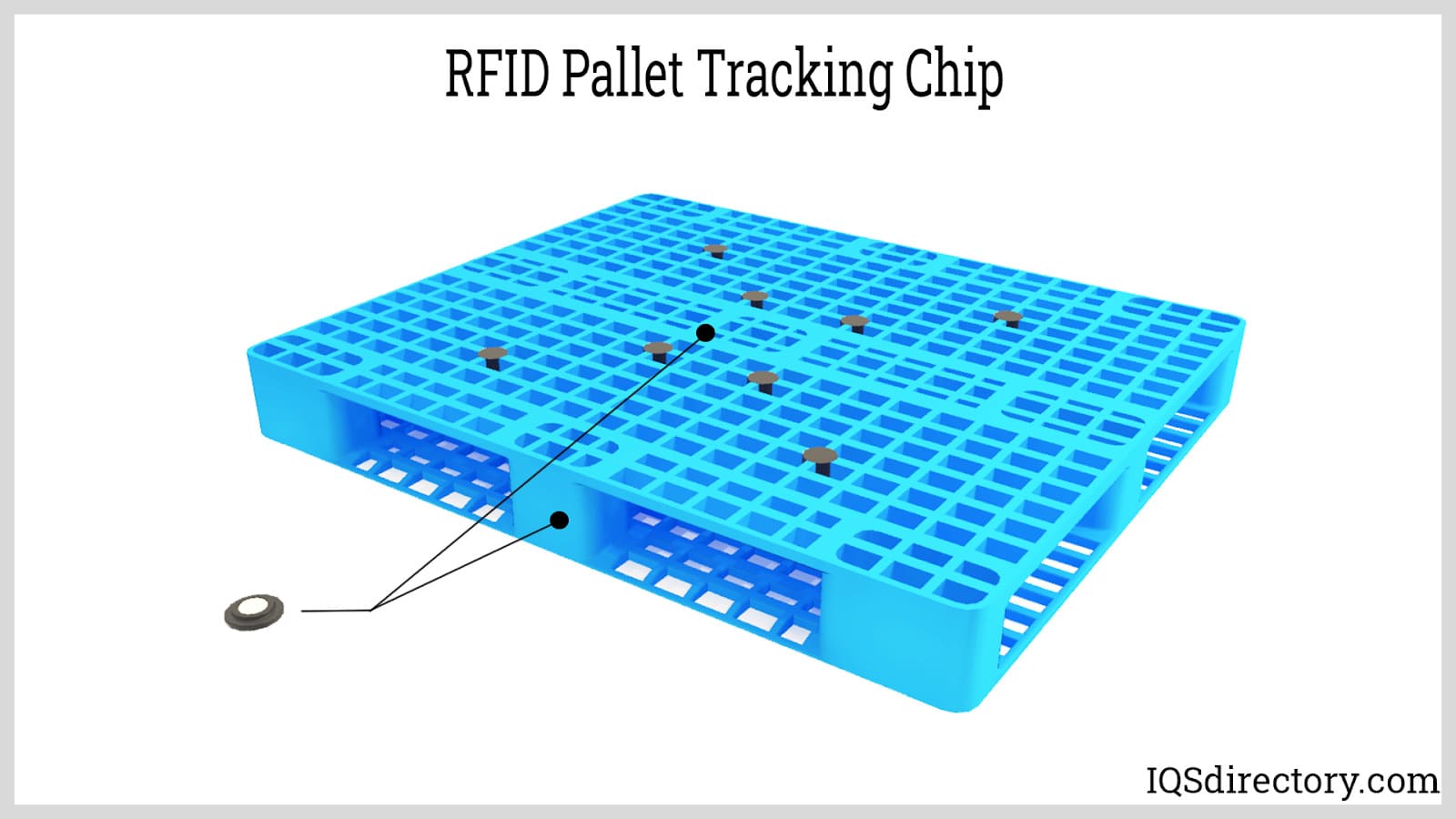
One of the focuses of any business or manufacturing operation is control, maintenance, and knowledge of their inventory. Bad choices, inaccurate counts, and poor organization can be costly errors and affect the bottom line. Well aware of the need to monitor and oversee inventory, pallet manufacturers have developed various types of technological advancements that can be attached to pallets for better inventory tracking and include GPS, Io T, and RFID, each of which enhances pallets and makes them more than just a flat piece of plastic to store materials.
Plastic pallets may be grouped according to the mode of supporting the top deck of the pallet:
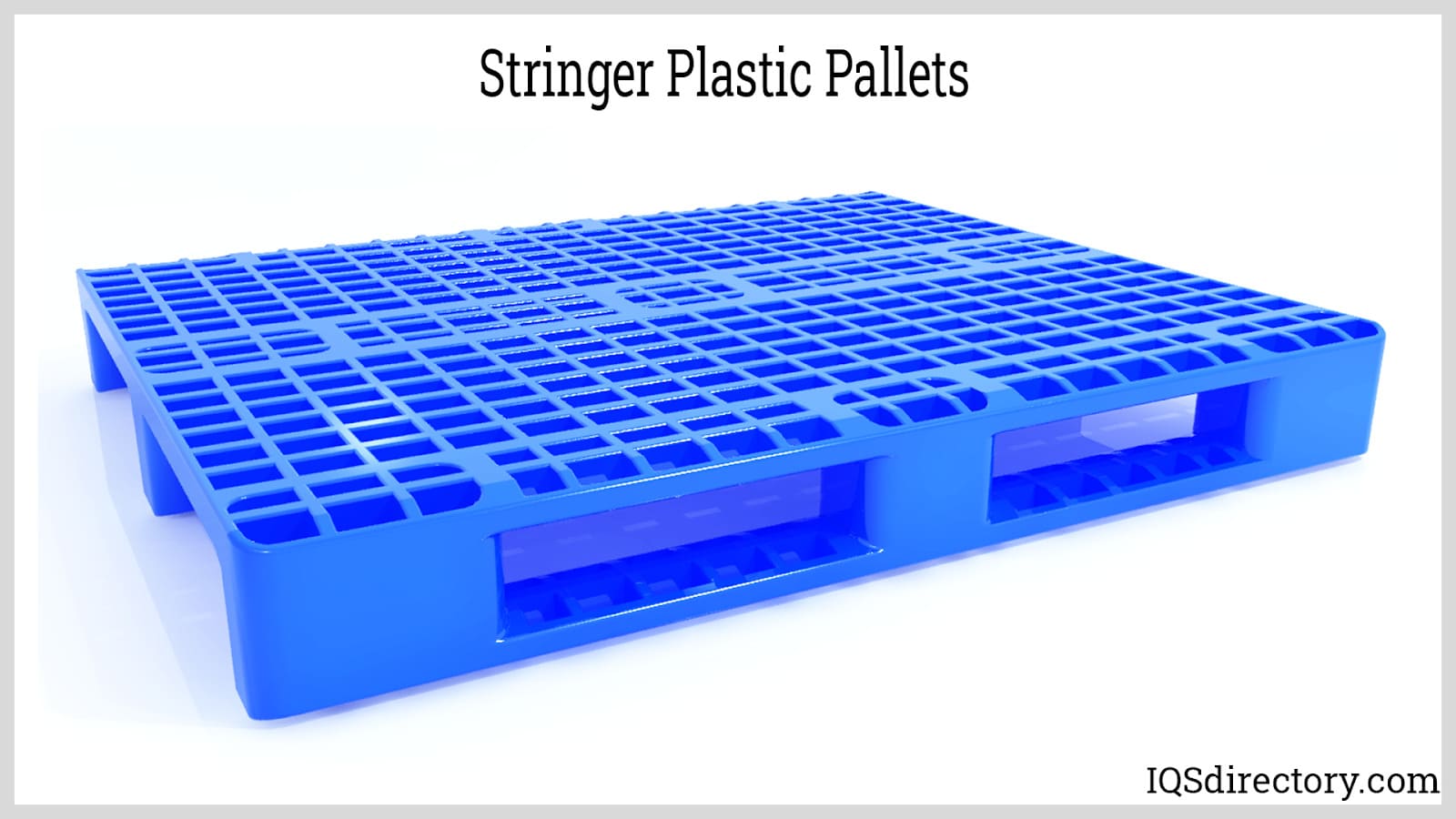
In stringer pallets, the top deck is supported by parallel, longitudinal slabs, called stringers, that are positioned in opposite edges and across the center of the pallet.
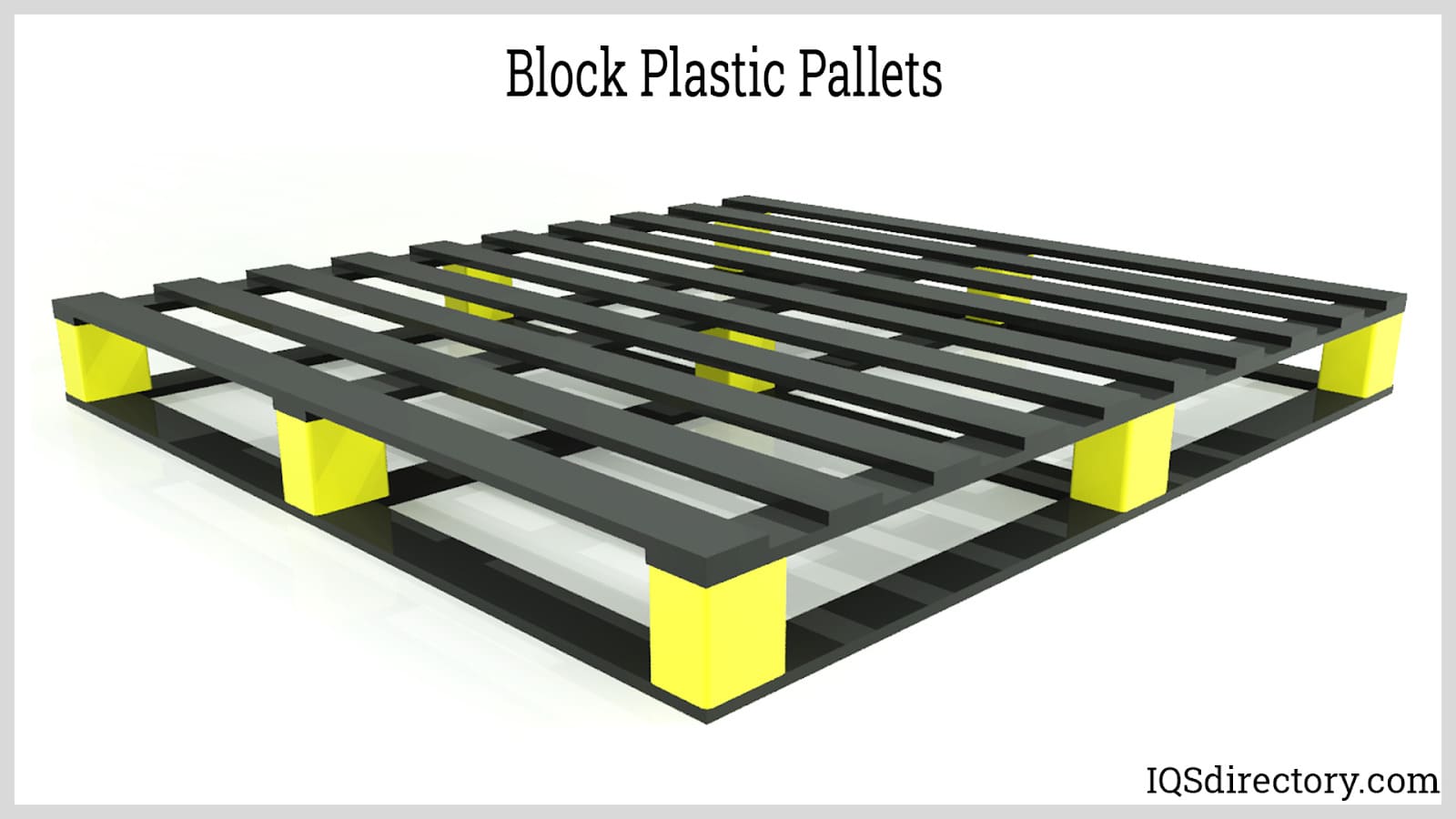
In block pallets, the top deck is supported by columnar posts, called blocks, that are positioned in the corners, in the centers of each edge, and at the center of the pallet itself.
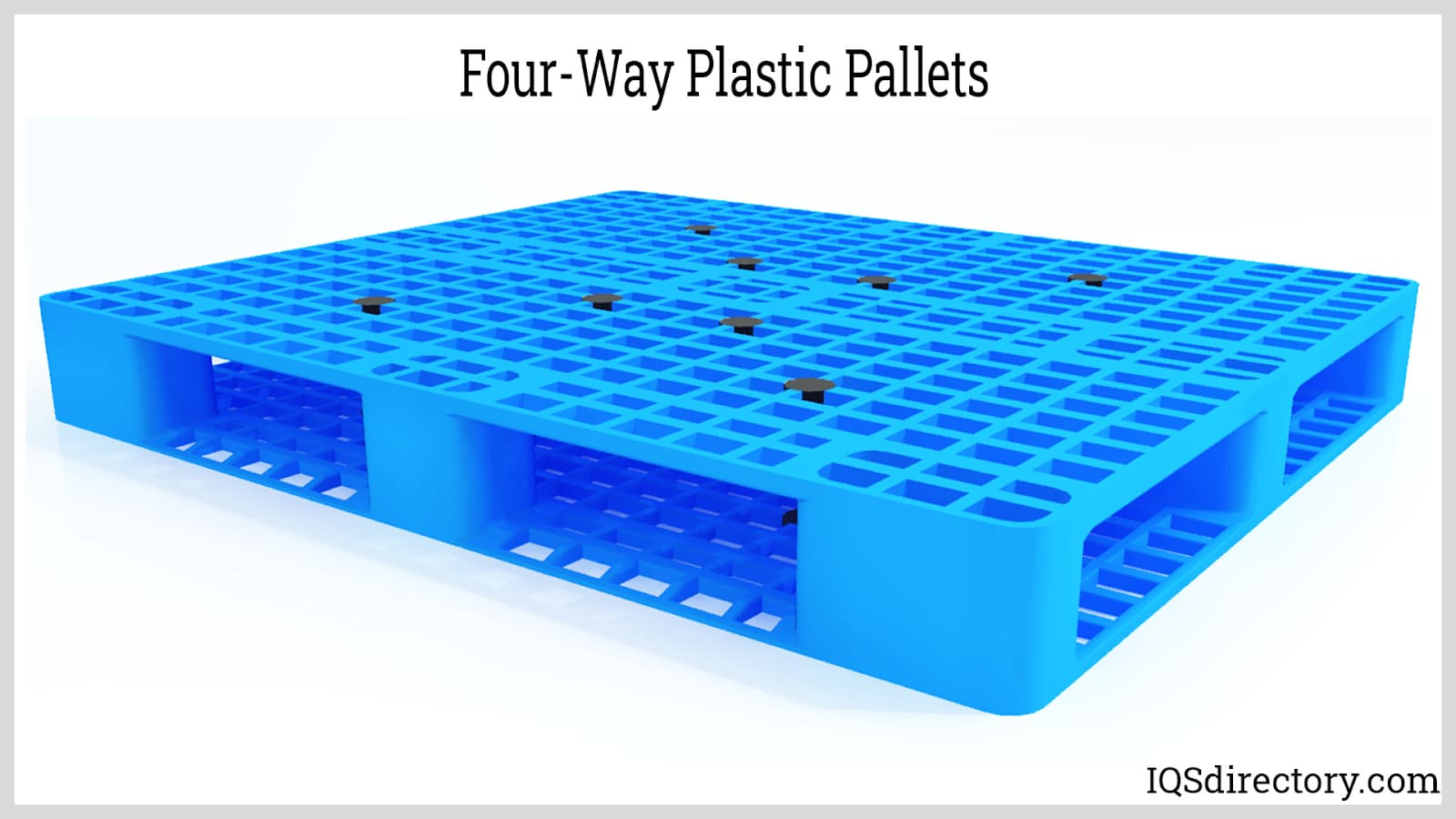
Four-way pallets allow entry on each side of the pallet. They provide more handling efficiency (e.g., less load and unloading time), especially when the floor space is small because all sides are accessible by the handling equipment. Generally, all block pallets are four-way pallets.
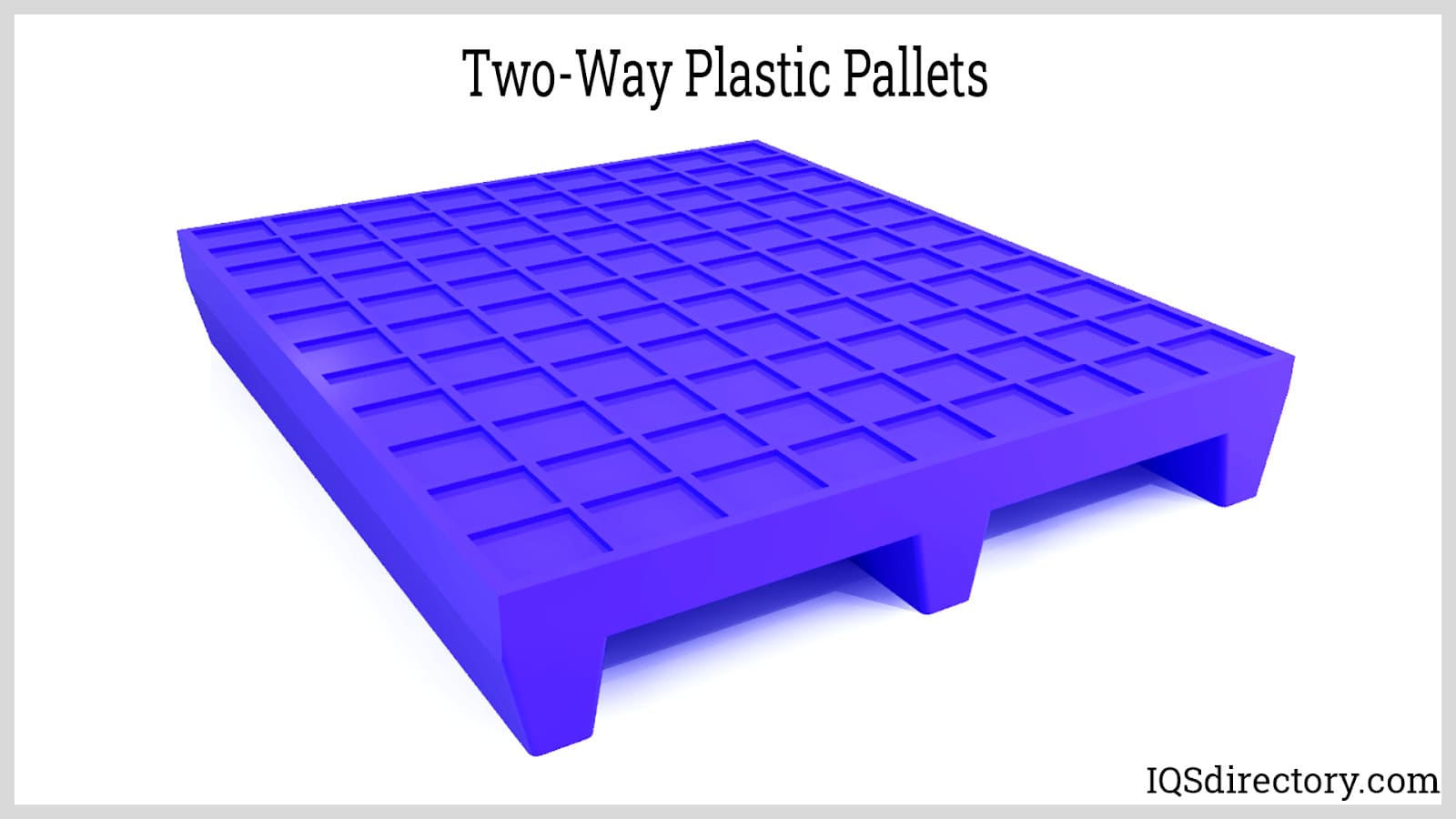
Two-way pallets only allow entry on two sides of the pallet, and they are opposite sides. Since the entry points are limited, the handling equipment is required to maneuver to a specific angle to gain access to the pallet. To be accessed by the handling equipment, these pallets must be stored at a specific orientation that exposes the entry points.
All non-modified stringer pallets are two-way pallets. Conversion of a two-way pallet into a four-way pallet involves the creation of notches; this can be easily done in wooden stringer pallets but is not feasible in plastic pallets. This conversion reduces the strength and load capacity of two-way pallets.
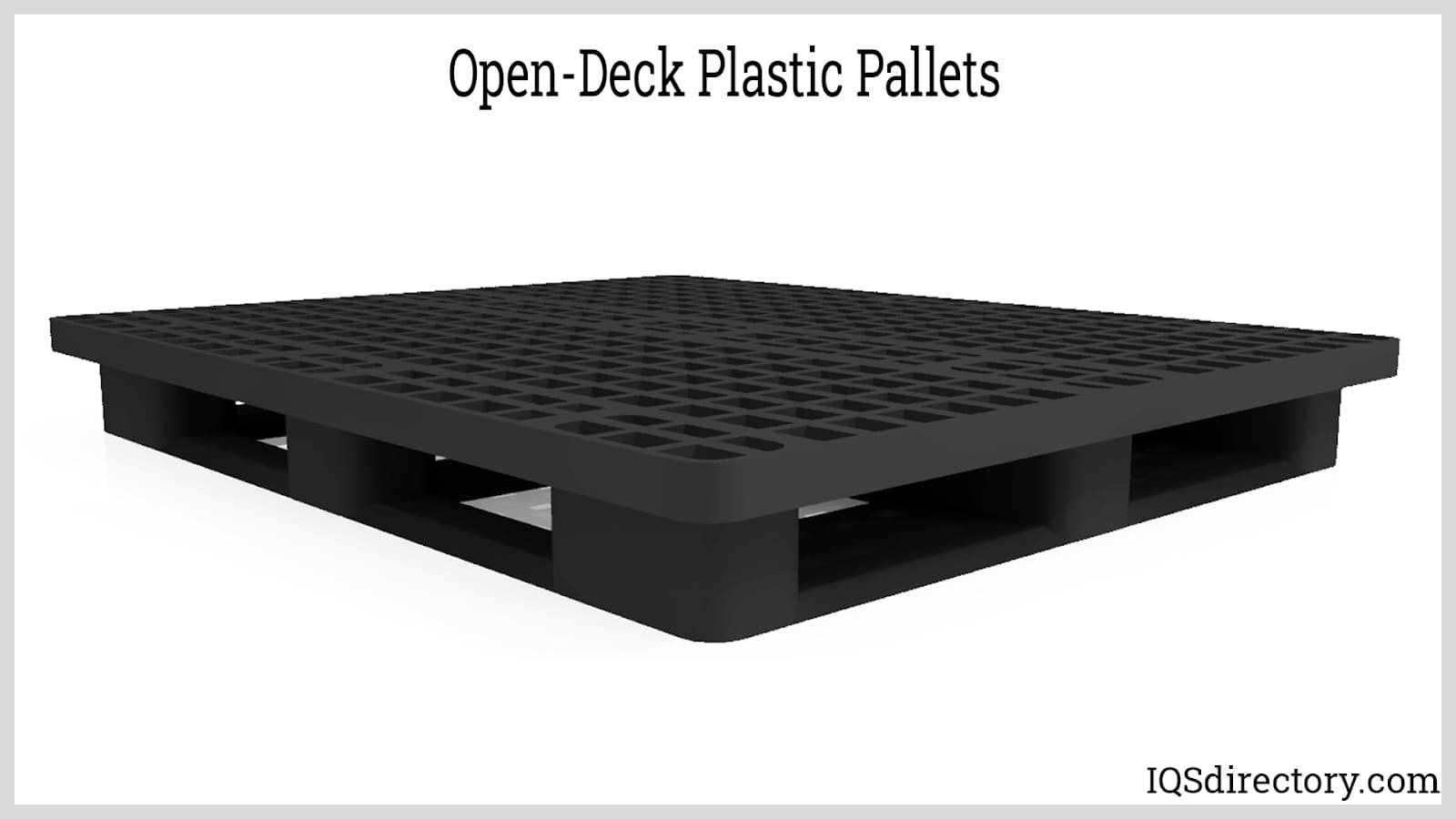
TOpen-deck plastic pallets have "ventilations" or mesh-like perforations in the top deck. The openings in the top deck allow easy drainage of wet products being carried. The openings also make the pallets lighter in weight and less expensive.
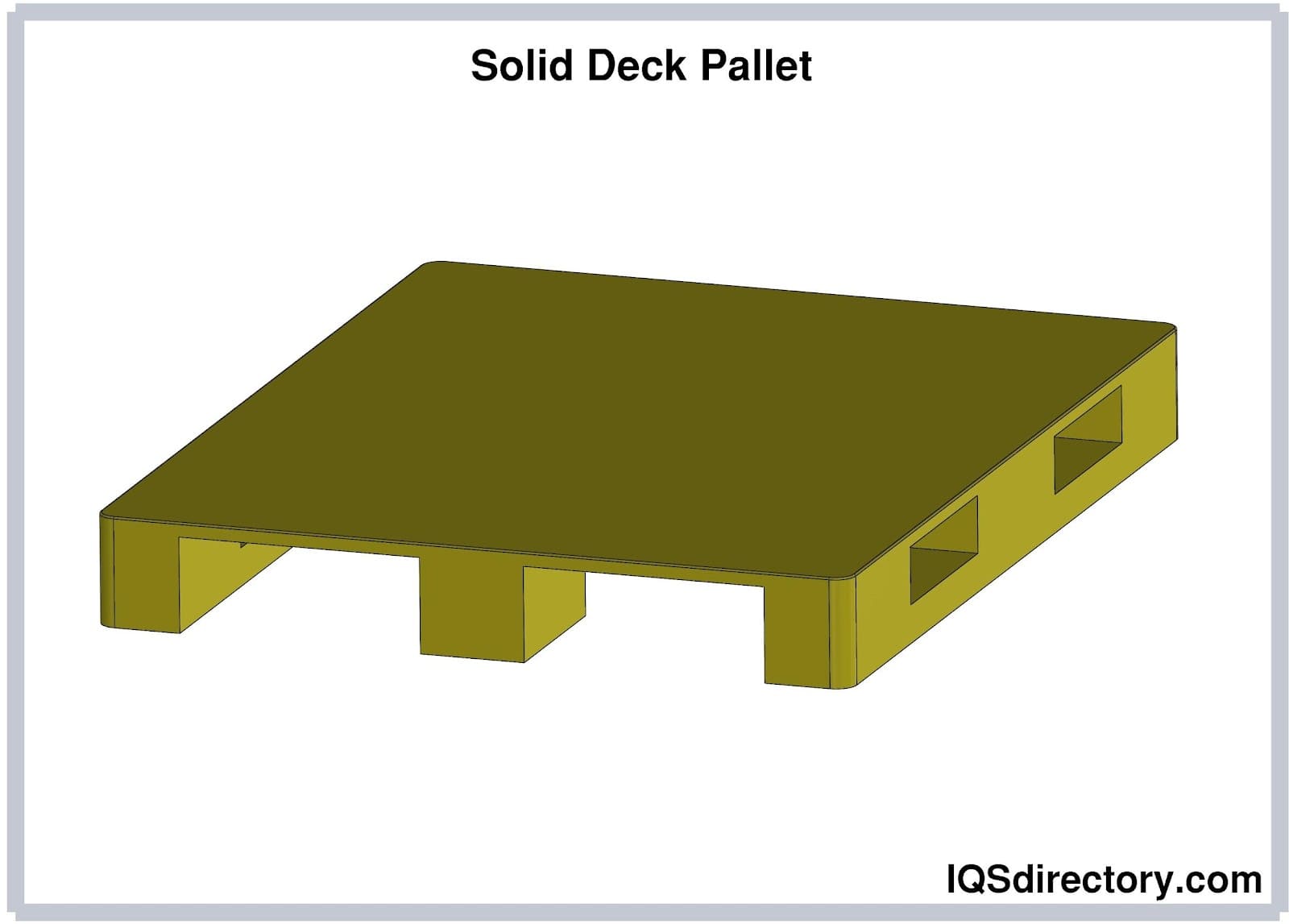
Closed-deck (or solid deck) pallets have no openings in their top deck. The top deck may have an anti-slip surface to prevent the sliding of products. Since there are no hard-to-reach areas created from the openings, closed-deck plastic pallets can be easily cleaned and are suitable for small items.
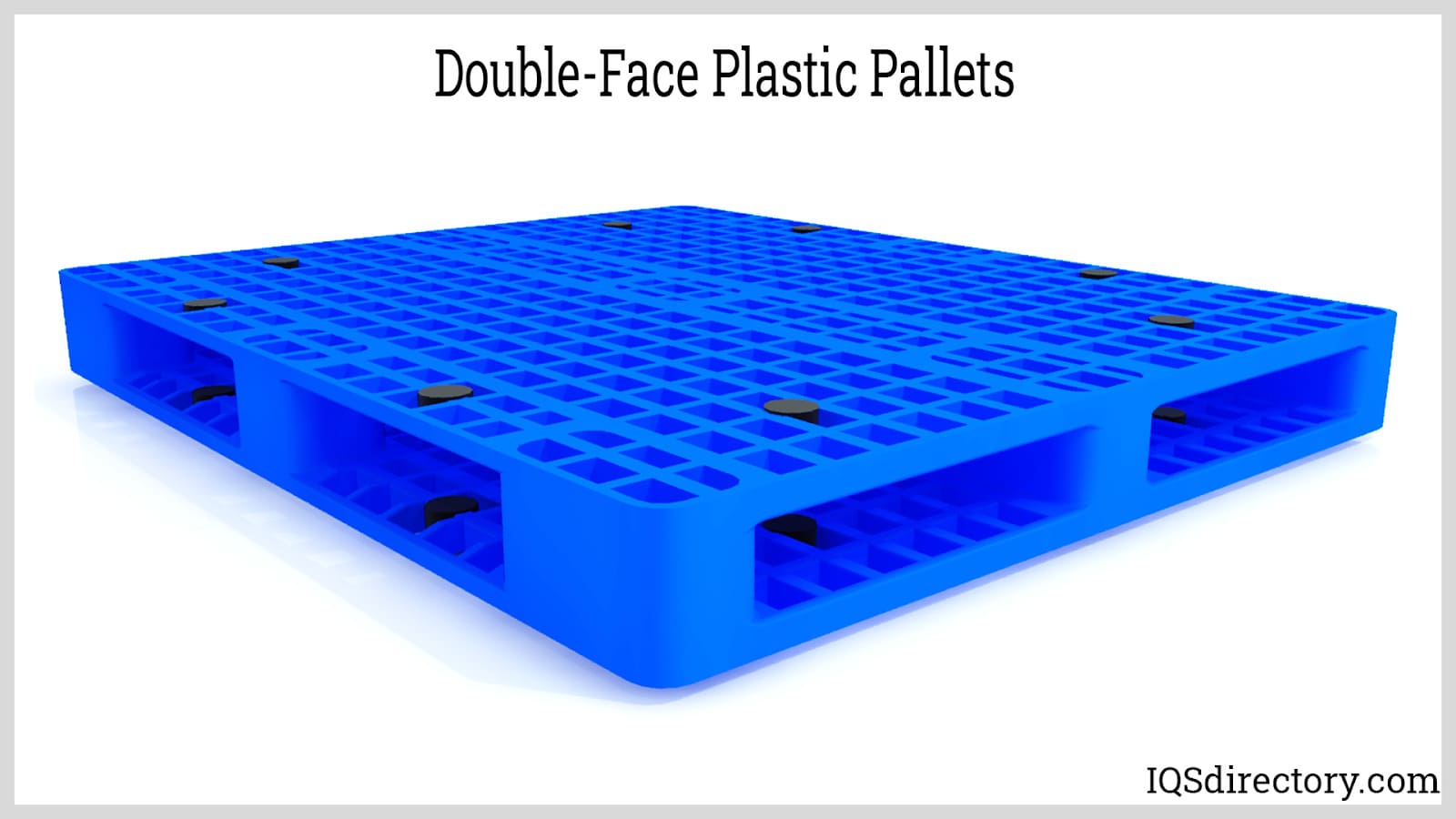
Double-face plastic pallets have two solid decks at the top and bottom of the pallet. This is different from the open and closed-deck pallets, which have an open bottom. The load carried by the pallet is also distributed to the bottom deck; this makes the pallet durable. A double-face pallet may be a reversible or non-reversible pallet:
Have identical designs on their top and bottom decks. Products are stackable on either side of the pallet.
Have different top and bottom decks and weigh less than reversible pallets. The top deck has more plastic material to support the product when it is mounted on the pallet.
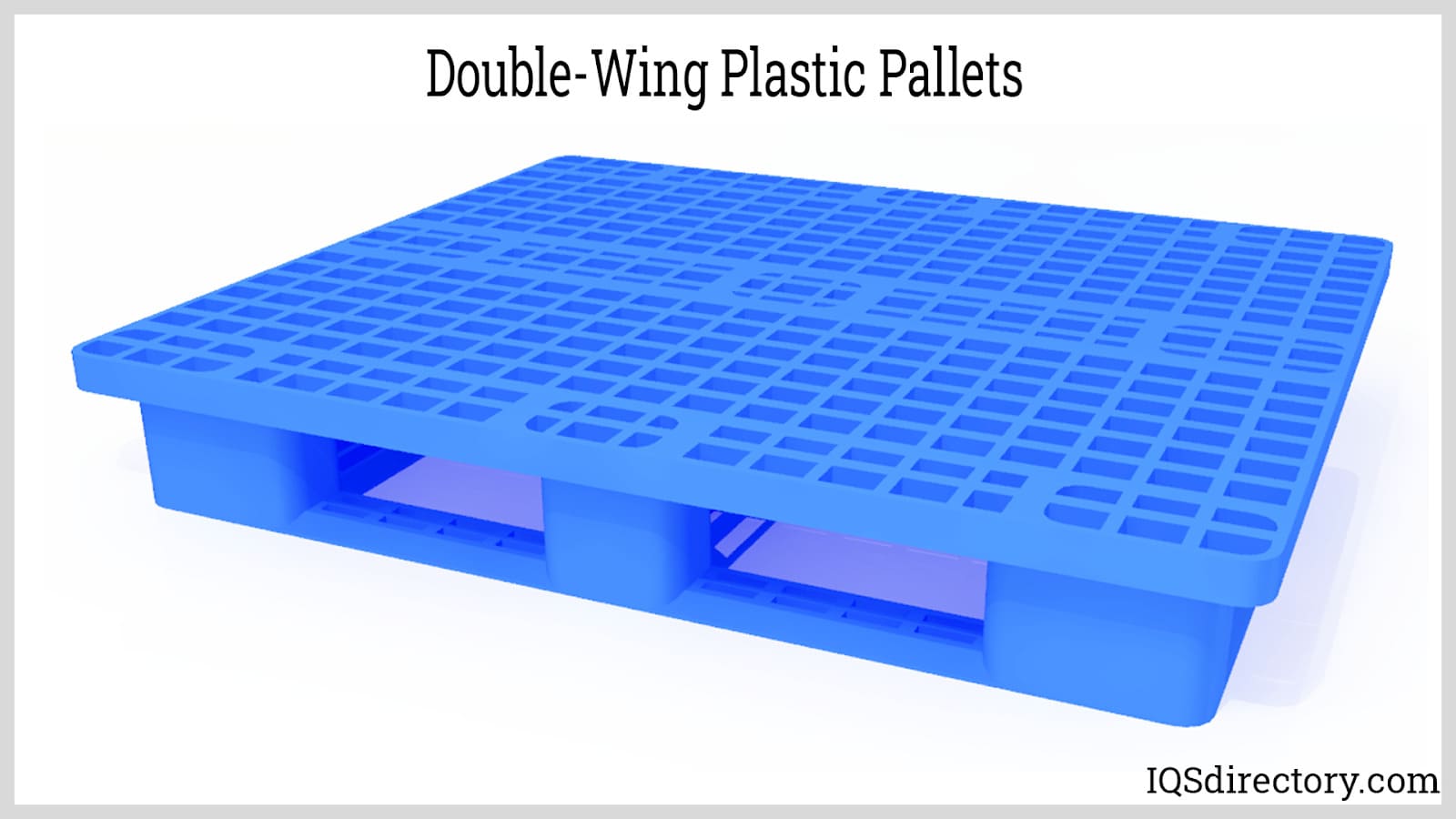
Double-wing plastic pallets have top and/or bottom deck that extend beyond the surface of the stringers or blocks, creating more space for the products.
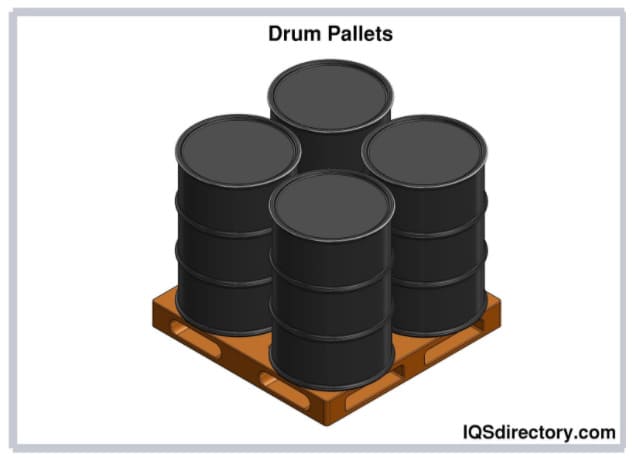
Drum pallets are used to hold drums and containers filled with oil, chemicals, and other liquid substances during transportation and storage. The drum fits in a customized recessed ring in the top deck built to hold it in place; other drum pallets may not have these recessed rings. Drum pallets may also be designed to have a catch panel to contain spills and leaks and prevent them from spreading further.
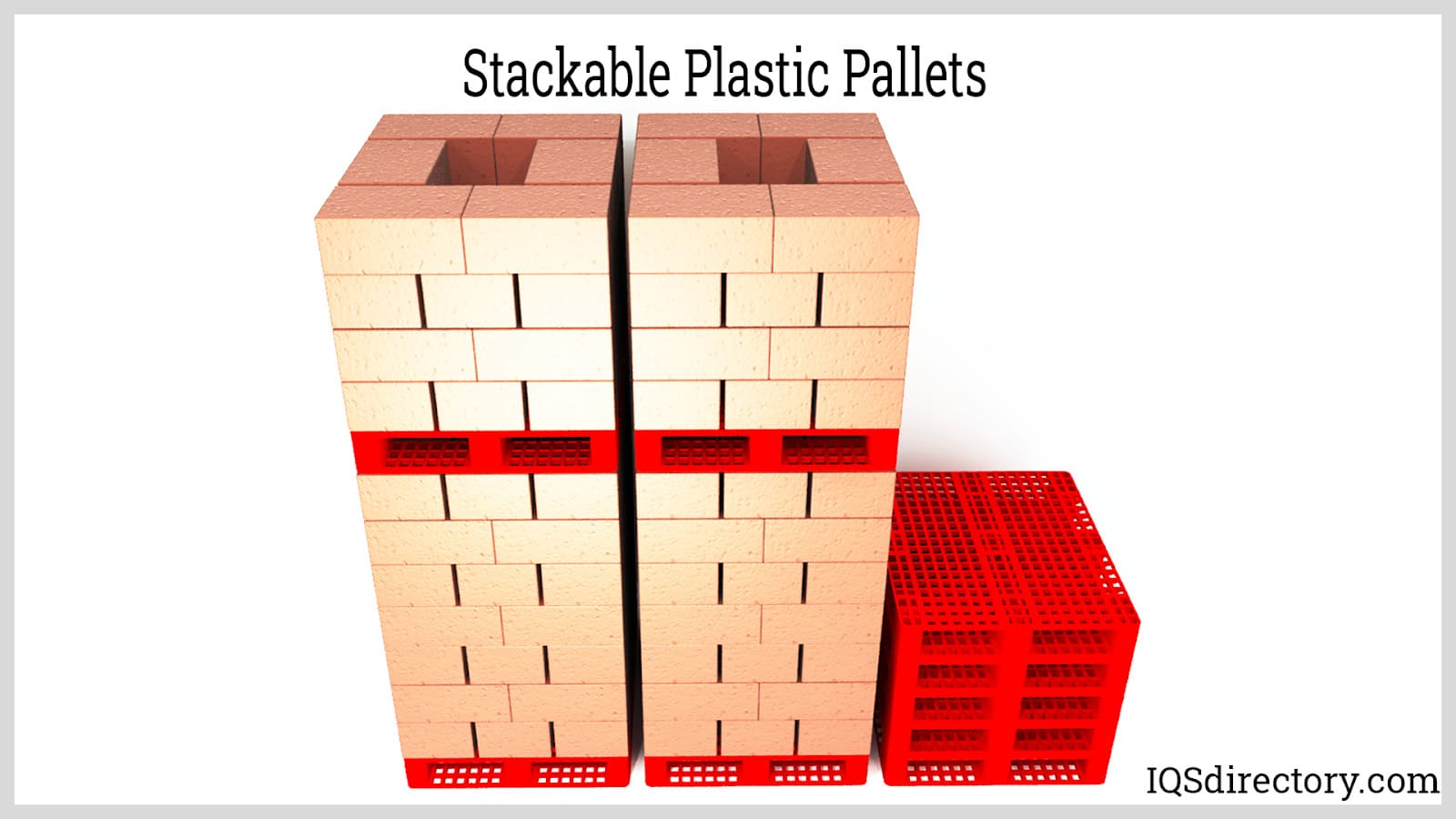
Stackable pallets have solid bottom support that gives stability to the products loaded on top of them when they are placed on top of another loaded pallet. They are commonly used in warehouses to stack goods efficiently and to save floor space.
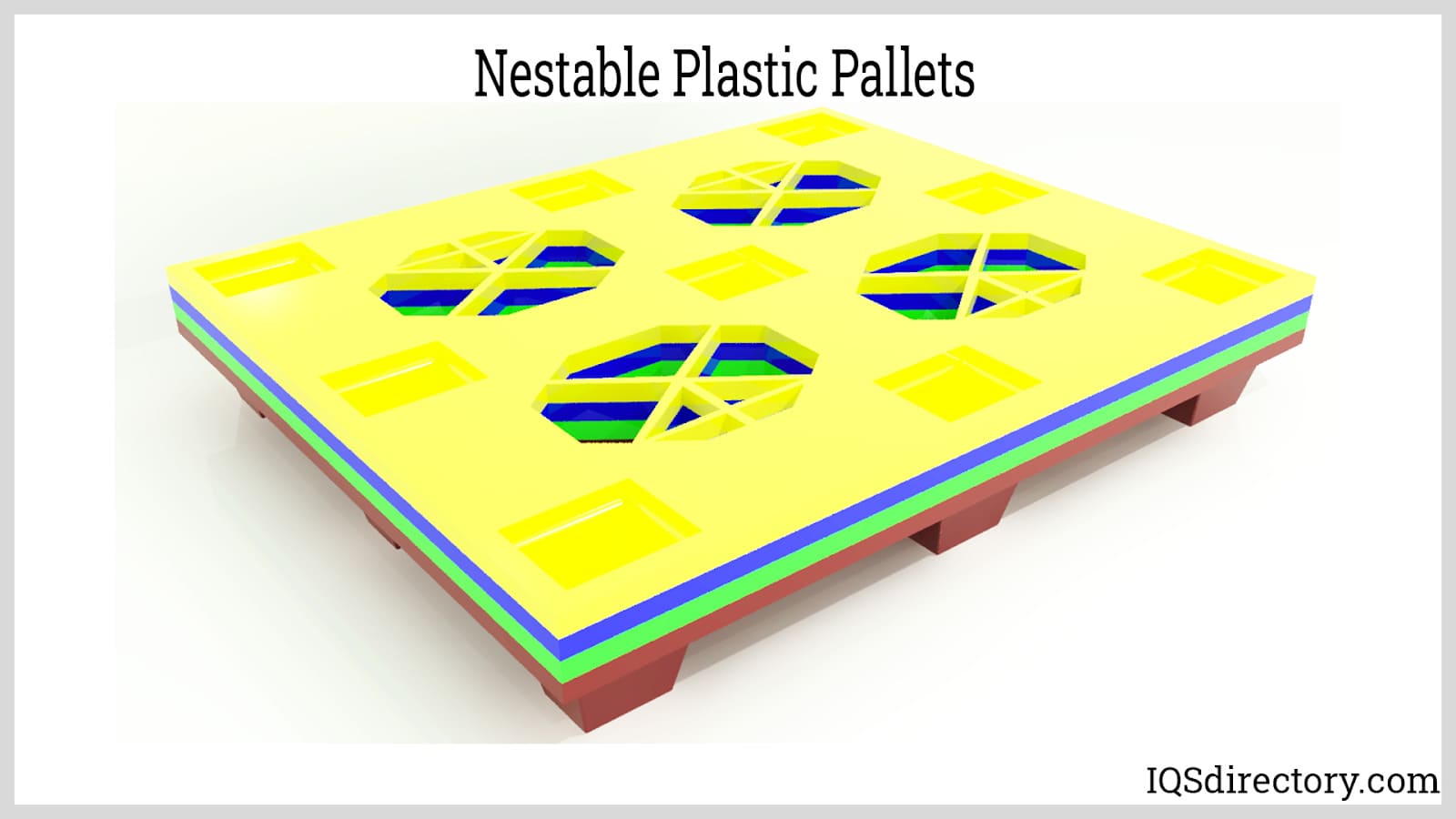
Nestable pallets have hollow legs on their corners to enable stacking of empty pallets when they are not loaded. Unlike stackable pallets, they have an open bottom deck. Nestable pallets free up space during return trips from shipping and in warehouses when these pallets are not in use.
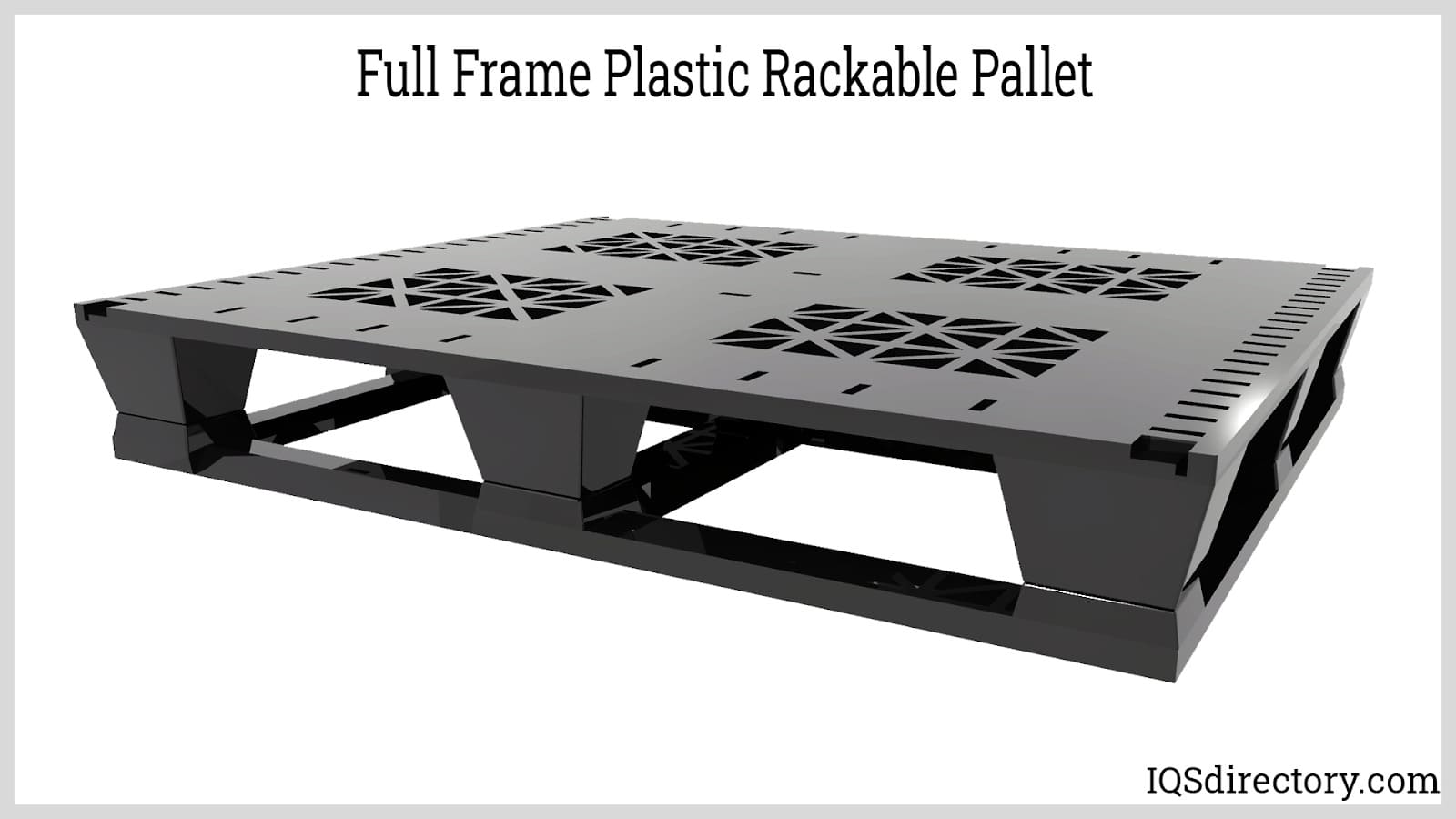
Rackable pallets are injection molded, rotationally molded, or foam molded and are heavy duty pallets with significantly higher load capacity. The different types of rackable pallets are designed to meet the needs of different storage racks.
Full frame rackable pallets have six runners on the bottom to give them greater support and structure. Three runner rackable pallets are designed to be placed on racks such that the runners are perpendicular to the beams of the rack.
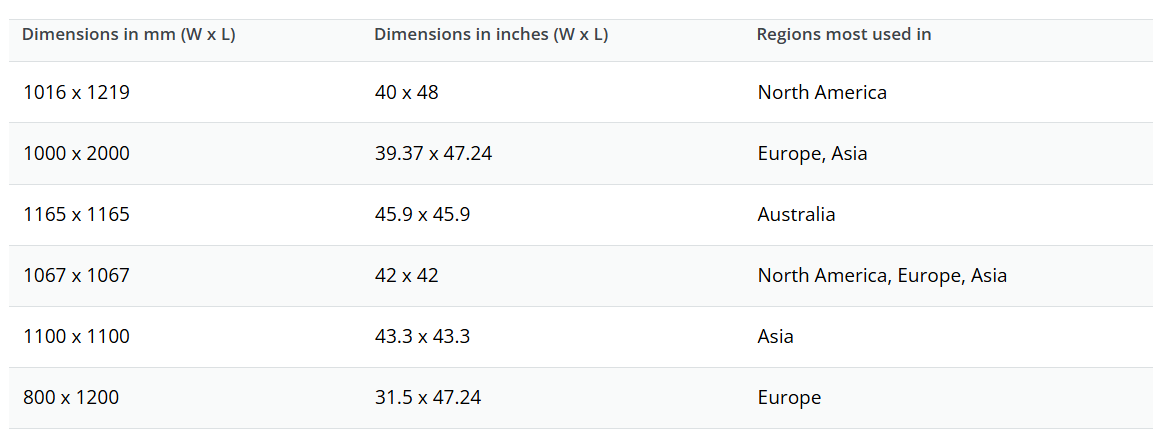
Generally, pallet sizes of all types are standardized to improve supply chain efficiency. Standardized pallet sizes eliminate the difficulties in the handling and transporting of goods performed by various groups and companies. Several organizations and associations regulate the sizing of shipping pallets. The most popular among them are:
Many pallet sizes exist around the world. However, the ISO approves six, which are adopted from commonly used pallet sizes in different regions. This specification is detailed in the ISO Standard 6780:2003 Flat Pallets for Intercontinental Materials Handling – Principal Dimensions and Tolerances.
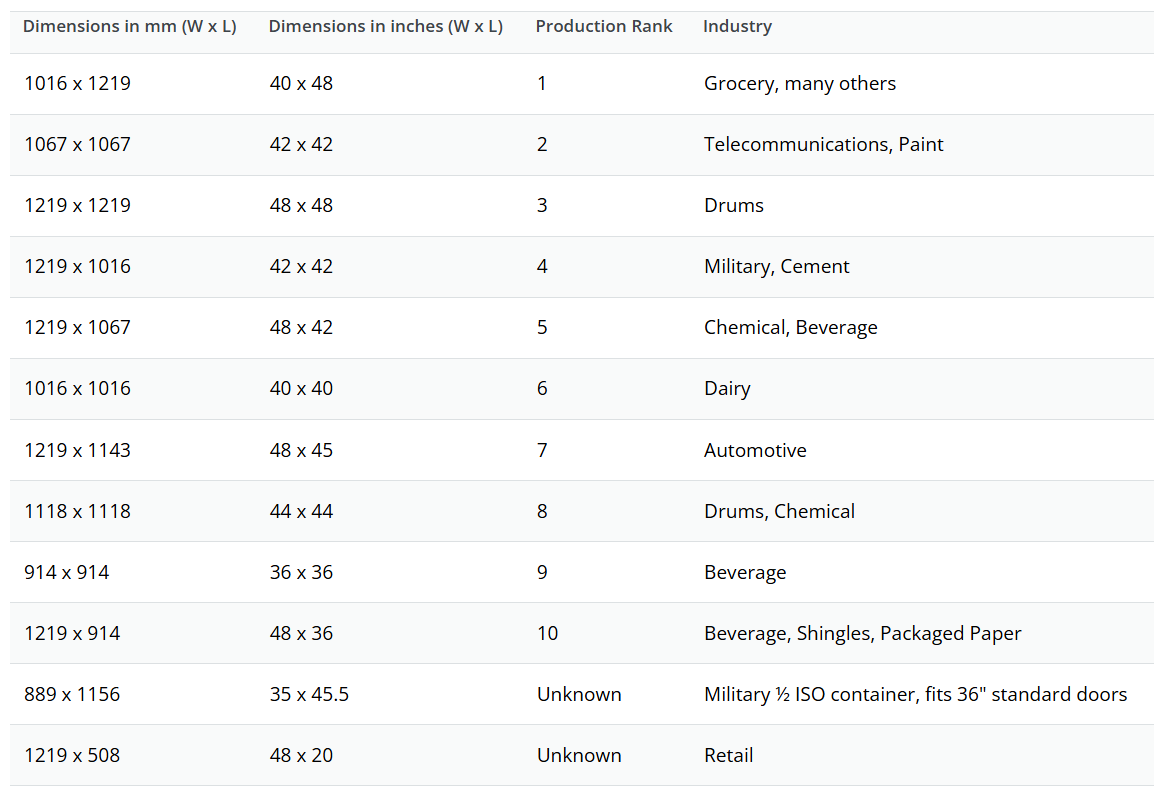
The GMA is the national trade association that helps in the mobilization of packaged consumer goods in the United States of America. GMA lists twelve pallet grades and their dimensions and specifications. Each pallet grade is assigned to a specific industry.
EPAL pallet sizes, or EUR pallets, are the standard pallet sizes in Europe. All EUR pallets contain either the EUR logo or initials such as DB and EPAL.
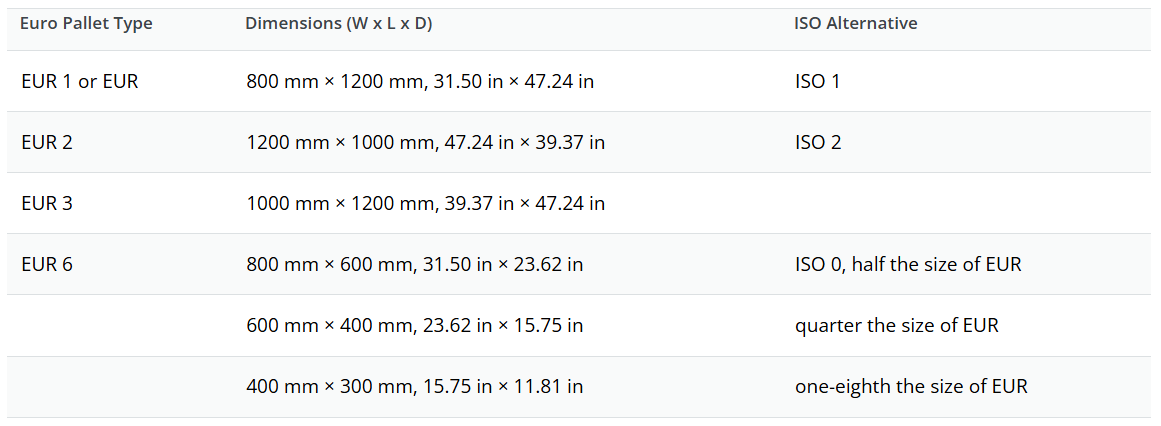
Some pallet sizes listed by the GMA and the EPAL have counterparts in the ISO-approved pallet sizes.
Before choosing which plastic pallet size to acquire, it is critical to determine the region where it will be utilized. For instance, if a pallet will be used for the shipment of goods to a particular region, the shipping company must use a pallet size that is accepted in the region of the destination. Failure to do so can result in additional costs (due to the need to acquire the correct pallet) and delays in product delivery. In addition to geographical compliance, it is important to consider the application of the plastic pallet before selecting a size.
.
Kevin martin 20 july 2024 . 4:00 pm
It has survived not only five centuries, but also the leap into electronic typesetting unchanged. It was popularised in the sheets containing lorem ipsum is simply free text. Class aptent taciti sociosqu ad litora torquent per conubia nostra, per inceptos himenaeos. Vestibulum sollicitudin varius mauris non dignissim.
Sarah albert 20 july 2024 . 4:00 pm
It has survived not only five centuries, but also the leap into electronic typesetting unchanged. It was popularised in the sheets containing lorem ipsum is simply free text. Class aptent taciti sociosqu ad litora torquent per conubia nostra, per inceptos himenaeos. Vestibulum sollicitudin varius mauris non dignissim.